
Planning a trip to Southeast Asia without breaking the bank? You’re in the right place.
Are you looking to travel to Southeast Asia without going over budget? You’ve come to the correct spot. Southeast Asia continues to be one of the most fulfilling and reasonably priced vacation destinations in the world; the cuisine is outstanding, the scenery is breathtaking, and the culture is unmatched. This book includes all the information you need to plan the ideal low-cost vacation to Southeast Asia in 2026, regardless of whether you’re an experienced traveller or a first-time backpacker hoping to see more for less.
Why Southeast Asia Is the Best Budget Travel Destination in 2026
Every year, millions of international travelers choose Southeast Asia for one simple reason: incredible value. From the street food stalls of Bangkok to the terraced rice fields of Bali, from the ancient temples of Angkor Wat to the pristine islands of the Philippines, this region packs more experiences per dollar than almost anywhere else in the world.
In countries like Vietnam, Cambodia, Laos, and Indonesia, a comfortable guesthouse can cost as little as $10–$15 per night, a full local meal can set you back under $2, and inter-city bus or train rides rarely exceed $10. Even in more developed destinations like Thailand and Malaysia, budget travelers can live very well on $40–$50 a day.
How Much Does It Cost to Travel Southeast Asia?
One of the most common questions travelers ask is: “How much money do I need for Southeast Asia?” The honest answer depends on your style, but here’s a realistic daily budget breakdown:
Backpacker (shoestring budget): $25–$40/day
Dormitory hostels, local street food, public transport, and free or low-cost attractions. Countries like Vietnam, Cambodia, and Laos are the most budget-friendly.
Mid-range traveler: $50–$100/day
Private guesthouses or budget hotels, restaurant meals, occasional tours, and some domestic flights. Thailand, Malaysia, and Indonesia fit this range well.
Comfortable traveler: $100–$150/day
Boutique hotels, day trips, cooking classes, and some luxury experiences like a Halong Bay cruise or a private longtail boat in Thailand.
Keep in mind that your biggest expenses will typically be international flights and visa fees — so booking flights early and researching visa requirements for each country is essential.
Best Countries in Southeast Asia for Budget Travelers
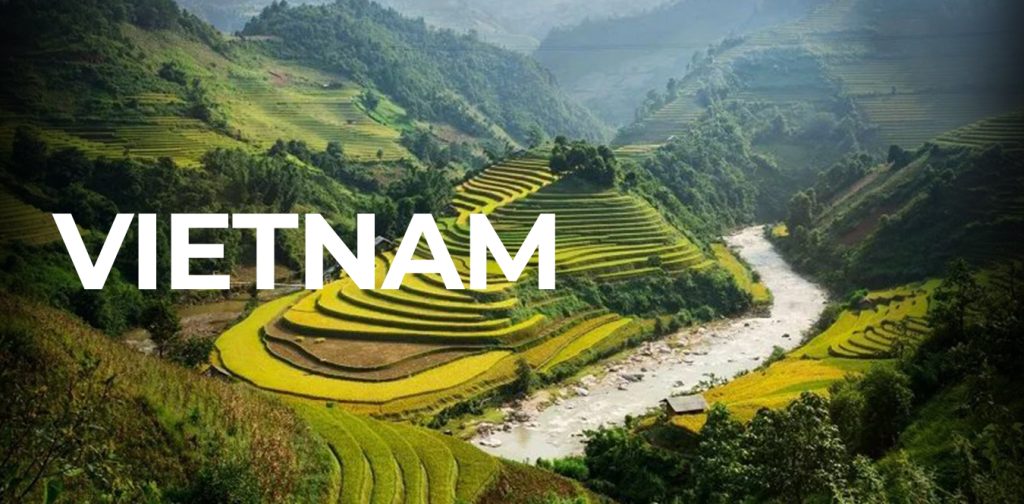
Vietnam — The Backpacker’s Favourite
Vietnam consistently ranks as one of the cheapest countries in Southeast Asia. A bowl of pho costs less than $1.50. Sleeper trains connect the entire country from Hanoi to Ho Chi Minh City for under $30. Highlights like Ha Long Bay, Hoi An’s ancient town, the Mekong Delta, and Sapa’s mountain villages make Vietnam an unbeatable value destination.
Average daily budget: $25–$40
Don’t miss: Hoi An lantern festival, motorbike ride through the Hai Van Pass, street food tour in Hanoi
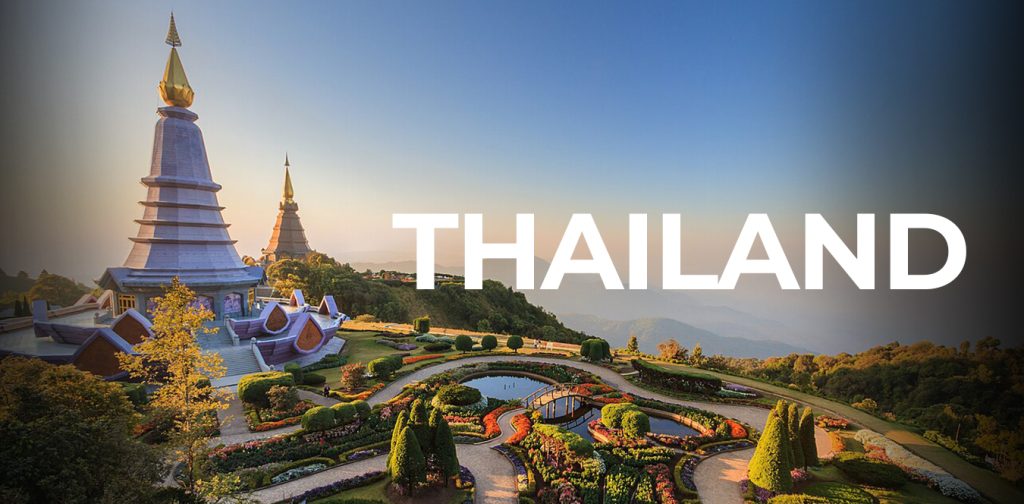
Thailand — Affordable Luxury
Thailand is Southeast Asia’s most visited country for good reason. Bangkok buzzes with world class street food, rooftop bars, ornate temples, and a legendary nightlife scene. Chiang Mai in the north offers a slower, cheaper pace with elephant sanctuaries, cooking classes, and mountain trekking. The southern islands Koh Samui, Koh Lanta, Koh Tao are paradise on a budget if you visit in shoulder season.
Average daily budget: $35–$60
Pro tip: Visit the islands in May–October (green season) for prices up to 40% lower than peak season
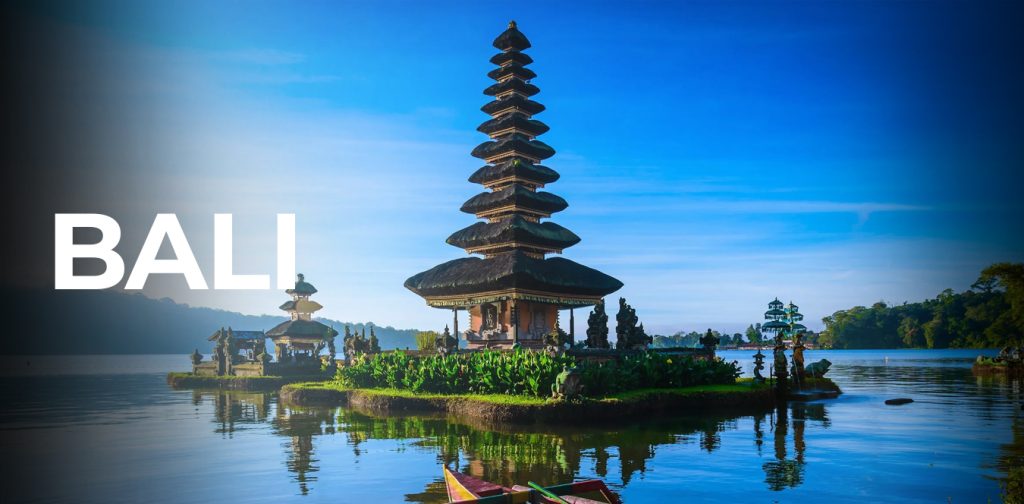
Bali, Indonesia — Culture, Beaches & Rice Fields
With good reason, Bali continues to be one of the most sought-after international tourism destinations worldwide. At affordable pricing, the island provides a unique blend of surf beaches, verdant rice terraces, spiritual culture, and a thriving wellness scene. Stay in Seminyak for beach clubs and sunsets, Canggu for a digital nomad atmosphere, or Ubud for culture and tranquillity.
Average daily budget: $30–$55
Don’t miss: Sunrise hike up Mount Batur, Tegallalang rice terraces, Uluwatu temple at sunset
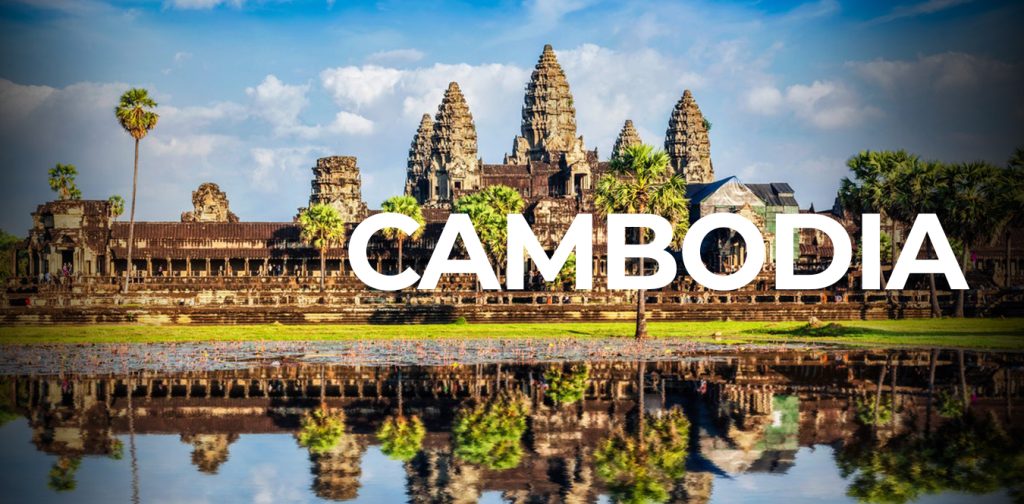
Cambodia — History on a Shoestring
Cambodia is one of the most underrated budget destinations in all of Southeast Asia. Angkor Wat the world’s largest religious monument sits just outside the town of Siem Reap and is a once-in a lifetime experience. Phnom Penh’s riverside is increasingly vibrant, and the beaches around Sihanoukville and Koh Rong island are still relatively undiscovered compared to Thailand’s more famous shores.
Average daily budget: $20–$35
Best value: $6 local tuk-tuk tours of the Angkor temples, $2 amok curry, $10 guesthouse rooms
Malaysia — Modern Comforts at Low Cost
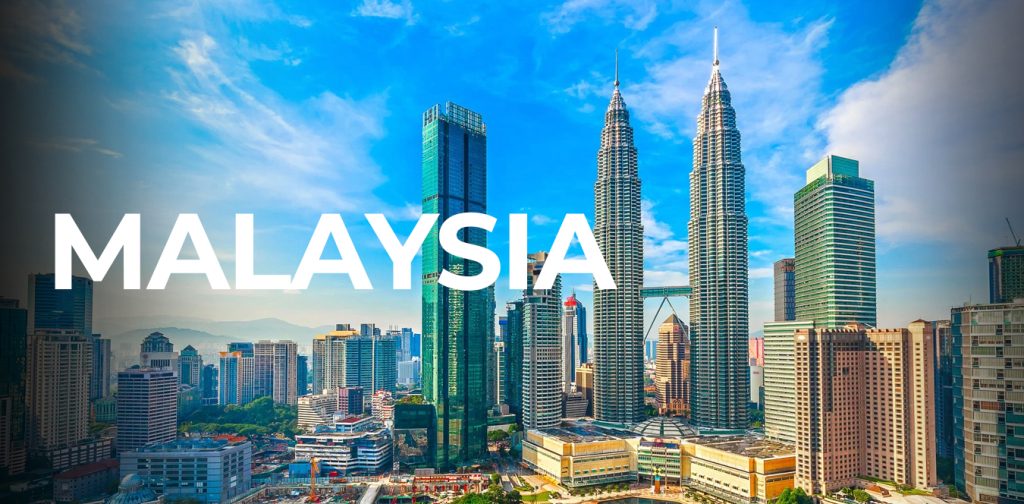
Malaysia is Southeast Asia’s hidden gem for budget travelers who want modern infrastructure without the price tag. Kuala Lumpur has excellent food courts (mamak stalls open 24/7), free public parks, and world-class malls. The Perhentian Islands offer crystal-clear diving at a fraction of what you’d pay in the Maldives, and the ancient rainforests of Borneo are among the most biodiverse places on the planet.
Average daily budget: $35–$60
Must-try: Nasi lemak, char kway teow, and a roti canai breakfast for under $3
Top Tips to Save Money in Southeast Asia
1. Travel overland where possible

Buses, trains, and minivans between countries are a fraction of the cost of flights. The slow travel approach also gives you a chance to see parts of the landscape that most tourists miss entirely.
2. Eat where the locals eat
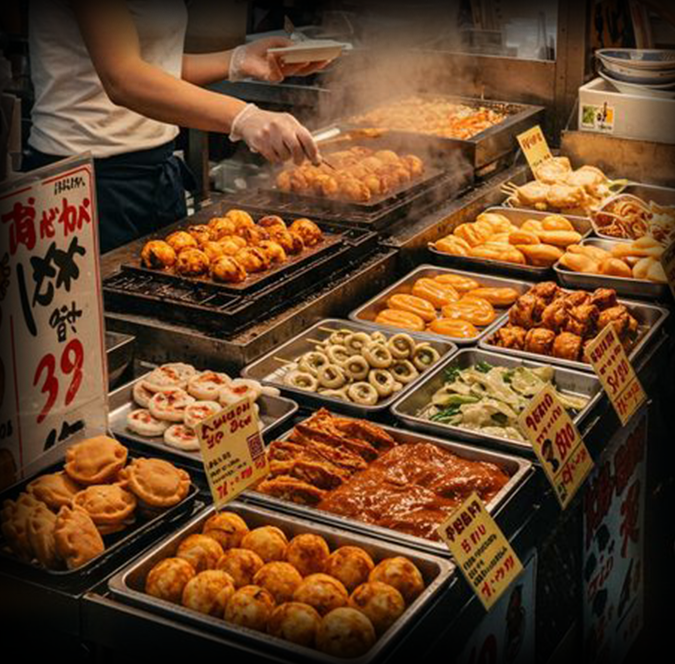
Street food and local market stalls are not only the cheapest option they’re often the best food you’ll find. A rule of thumb: if there’s a queue of locals, join it.
3. Book flights in advance with budget airlines
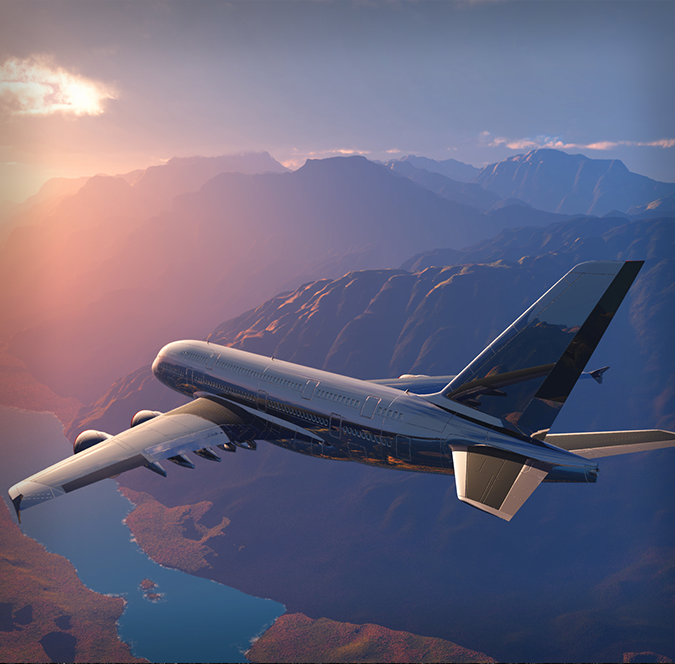
AirAsia, Scoot, Citilink, and VietJet connect most major Southeast Asian cities for as little as $15–$30 if booked 4–8 weeks ahead. Use Google Flights to compare and set price alerts.
4. Avoid peak season where you can
December to February is the most expensive time to travel across most of Southeast Asia. April – May and September–October offer better prices and fewer crowds at most destinations.
5. Slow down your itinerary
The biggest mistake budget travelers make is trying to visit too many countries too quickly. Every time you move, you pay for transport, new accommodation, and often a tourist entry fee. Spending a full week in one area is almost always cheaper and more satisfying than rushing through five cities in ten days.
6. Negotiate respectfully

Gentle bargaining is anticipated and tolerated at local markets and with tuk-tuk drivers. Meet somewhere in the middle, starting at roughly 60% of the asking price. It’s a social transaction, not a confrontation, so always be cordial.
7. Use ATMs wisely
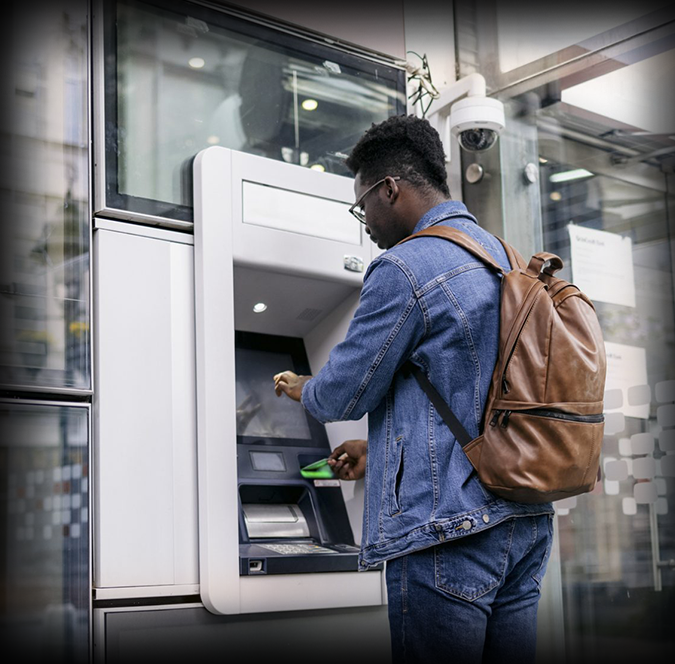
Dynamic currency conversion and foreign ATM fees can silently drain your budget. Use a travel-friendly debit card (like Wise or Revolut) that doesn’t charge foreign transaction fees, and withdraw larger amounts less frequently to minimise fixed withdrawal charges.
Visa Requirements for Southeast Asia in 2026
Thailand: Visa rules vary by country and your nationality, so always check your government’s official travel advice before you go. That said, here’s a general overview for most Western passport holders and note that 2026 has brought some important updates:
Vietnam: All nations are eligible for a 90-day electronic visa, which costs about $25. At least five days before to departure, apply online. Additionally, take notice that starting on March 1, 2026, all international visitors to Vietnam must have a passport that is at least six months old.
Indonesia (Bali): Most nationalities can obtain an e-VOA or visa upon arrival for about $35 for 30 days. To avoid standing in line at the airport, apply online for the e-VOA before you depart.
Cambodia: Tourists can purchase an e-visa for about $30 USD, which is good for 30 days and can be extended for an additional 30 days. International airports also offer visas upon arrival, however it is advised to apply online in advance.
Malaysia: Most passport holders can travel for 90 days without a visa, but you must now complete a free digital arrival card (MDAC) before boarding. Be wary of copycat scam websites that charge for it; only use the official government domain.
For visa-on-arrival payments, always have passport-sized pictures and some cash (many border crossings still don’t accept cards). Additionally, before you go, always confirm the most recent regulations at the official embassy or immigration website of your nation, since regional policies are subject to sudden changes.
Is Southeast Asia Still Worth It in 2026?
Absolutely and the numbers back it up. Southeast Asia has swept the 2026 global tourism rankings, with the region now hosting three of the world’s top seven destinations, and Bali securing the number one spot globally. That kind of recognition doesn’t happen by accident.
Indeed, famous destinations like Hanoi, Bali, and Bangkok are busier than ever. There has been a noticeable change in travel habits in 2026. While people still want to visit well-known locations, they also want areas that feel genuine, are simpler to explore, and are worth the lengthy flight. Southeast Asia excels in both areas, which is good news. There is a spike in hidden treasures that provide better value and fewer crowds than classic tourist sites, while renowned hubs are enjoying record-breaking visitor numbers.
Quality above quantity is 2026’s distinguishing concept. Thailand’s northern highlands, Indonesia’s Labuan Bajo, and Vietnam’s Quy Nhon coast are examples of emerging vacation destinations that are attracting tourists looking for more than a picture-perfect experience. Additionally, the value argument is still quite strong for travellers on a tight budget. Backpackers on a tight budget can still survive on $25 to $40 per day, which includes lodging, food, and activities.
Southeast Asia can irritate you whether you’re organising your hundredth or first international trip. The majority of visitors return after just one visit. Additionally, the entire area crowds, new digital arrival cards, and all is fully accessible with a little preparation.
Ready to start planning your Southeast Asia trip? To get the most of every dollar you spend abroad and reduce the stress of your trip, check out our destination recommendations, visa assistance, and ticket booking advice.